What happens in the first 4 weeks of turf growth
Insight
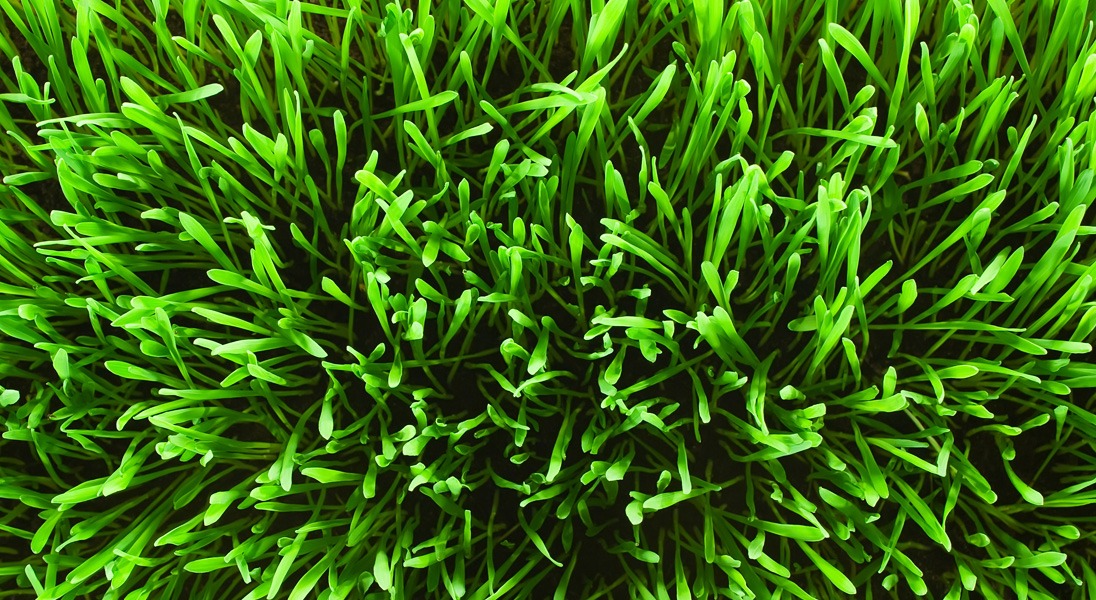
Early turf development determines how evenly the crop establishes, how quickly it reaches full cover and how consistent it is at harvest.
From the moment seed takes up water, a sequence of physiological processes begins. These early stages set the direction for the entire crop, and small differences during this period can lead to visible variation later in the season. Many issues seen at harvest can be traced back to inconsistency during these early stages.
Week 1–2: Germination and emergence
Germination begins when the seed absorbs water, activating metabolic and genetic processes that shift it from a dormant state to active growth.
During this phase, the plant is highly vulnerable. Environmental stress, poor conditions or inconsistent development can all affect how successfully the crop establishes.
Where germination is strong and consistent, growers see higher germination rates, faster emergence and earlier root and shoot development. Where it is uneven, variability begins early and is difficult to correct later in the season.
Week 2–4: Root formation and early growth
Once emerged, the plant begins to develop both root systems and leaf area.
Root growth drives long-term crop performance
Root development at this stage determines how effectively the plant can access water and nutrients for the rest of the season. This directly influences how evenly the crop develops and how well it performs under pressure later on.
Leaf development supports sustained growth
At the same time, leaf production drives photosynthesis, supplying the energy required for continued growth and helping the plant build structure and vigour.
Together, these processes establish the foundation for a crop that develops evenly, responds predictably to conditions and maintains performance through to harvest.
Why the first 4 weeks matter
The first four weeks determine:
- establishment uniformity across the field
- speed to full coverage
- final sward density and strength
Where early development is even, crops tend to remain stable and predictable. Where it is uneven, variability continues through to harvest and affects overall performance.
Stronger early growth supports more consistent plant development, improved root systems and better overall turf structure. These factors directly influence turf quality, handling and performance later in the production cycle.
Building a stronger crop from the start
Turf production is a cumulative process, with each stage building on the one before it.
Germination, emergence and early root formation are not isolated events. They define how the crop develops over time and how it performs under pressure.
Supporting the plant through these early stages helps maximise consistency and performance across the field. In practice, crops that establish strongly and evenly early on are more likely to deliver reliable quality at harvest.
Getting the first four weeks right is not just about early growth. It is about setting the conditions for a crop that performs consistently from establishment through to harvest.
Contact a member of the team to discuss how a Maxstim Turf Trial would benefit your next season of growing turf.
Tim Cannon
Email: tim.cannon@maxstim.com
Mobile: 07884 586191
Phil Kingsmill
Email: phil.kingsmill@maxstim.com
Mobile: 07860 269996
Leanne Taylor
Email: leanne.taylor@maxstim.com
Mobile: 07552 097554
Tony Kelly
Email: tony.kelly@maxstim.com
Mobile: 07974 435417