Understanding plant stress responses in crops
Insight
Why stress limits crop performance
All crops experience stress. The difference is how effectively they maintain performance under pressure.
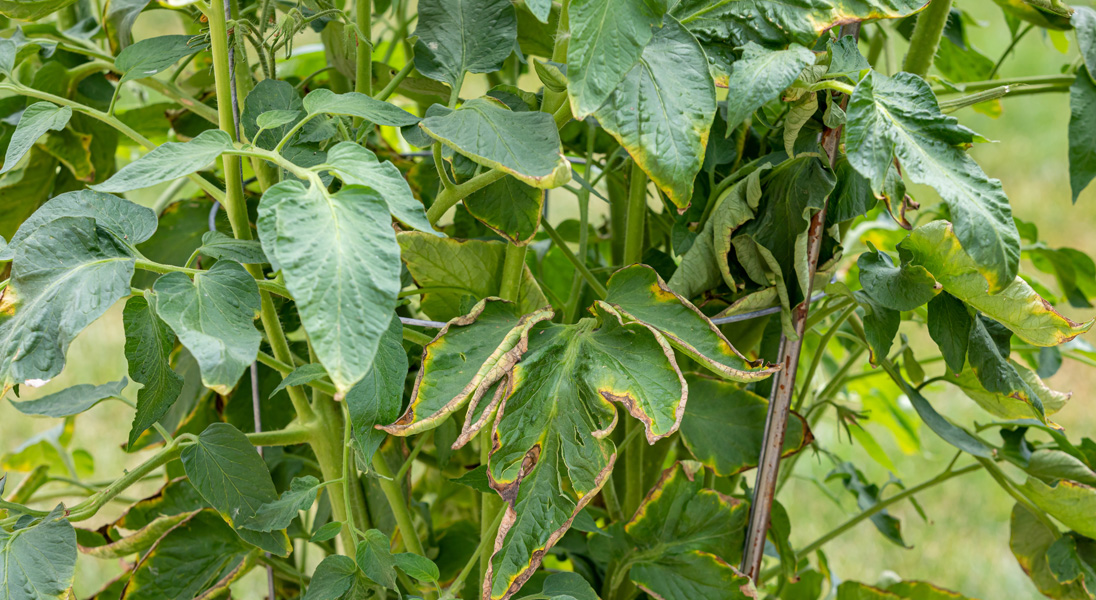
Heat, drought and variable growing conditions disrupt normal plant function. Growth slows, development becomes uneven and yield potential is reduced.
This typically leads to lower uniformity, reduced output and increased variability across the crop.
Why this recognition matters
This feature places Dr Salvage among leaders driving change in life sciences and biotechnology, fields that are becoming increasingly central to agriculture.
Rather than relying solely on conventional inputs, the industry is moving towards approaches that improve how plants function at a biological level. This includes enhancing nutrient efficiency, strengthening stress tolerance and improving consistency in crop performance.
Maxstim was founded on this premise: that plants have significant untapped biological potential, and that unlocking it is key to improving both productivity and sustainability.
Early crop performance overviewWhat happens inside the plant
Under stress, plants shift energy away from growth and towards survival.
Photosynthetic efficiency declines, nutrient use becomes less effective and leaf area development is restricted. Even where nutrients are available, the plant cannot convert them into biomass efficiently.
Research and field data show that maintaining leaf area and chlorophyll is critical, as these directly influence photosynthetic capacity and overall crop performance.
Why timing matters
The impact of stress is closely linked to growth stage.
Periods such as establishment, canopy expansion and tuber development are particularly sensitive. Disruption at these points affects how the crop builds biomass, partitions resources and sets yield potential.
Even short periods of stress during these stages can reduce yield, affect tuber size distribution and limit uniformity.
Supporting plant performance under stress
The challenge is not always input availability, but how efficiently the plant uses what is already there.
Biostimulants support internal plant processes, helping maintain photosynthesis and improve nutrient use efficiency under stress conditions.
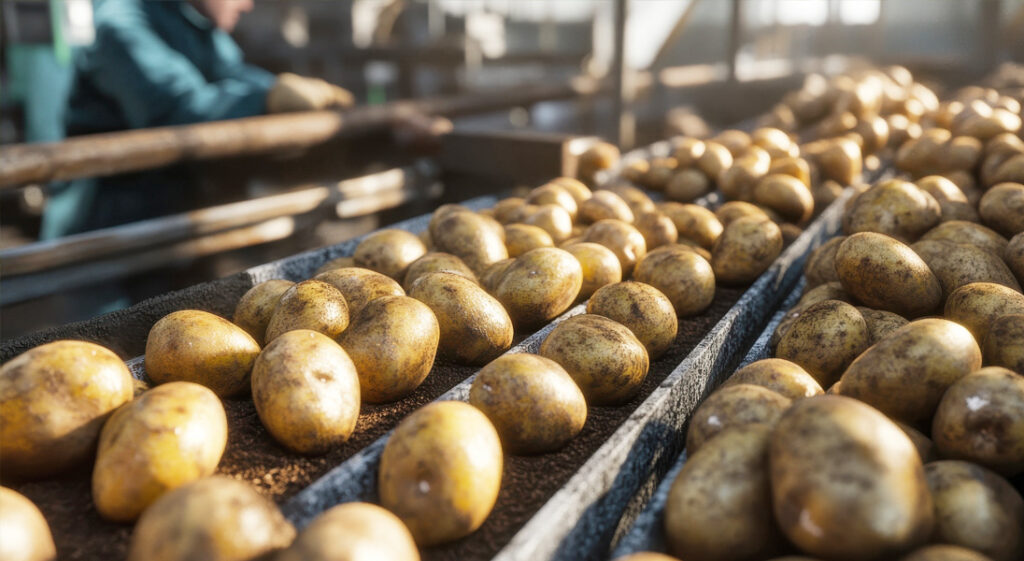
This is reflected in large-scale field data. Across 53 commercial potato trials conducted over four years, average yield increases of 3.7 t/ha (6.5%) have been recorded, alongside consistent improvements in crop quality and margin.
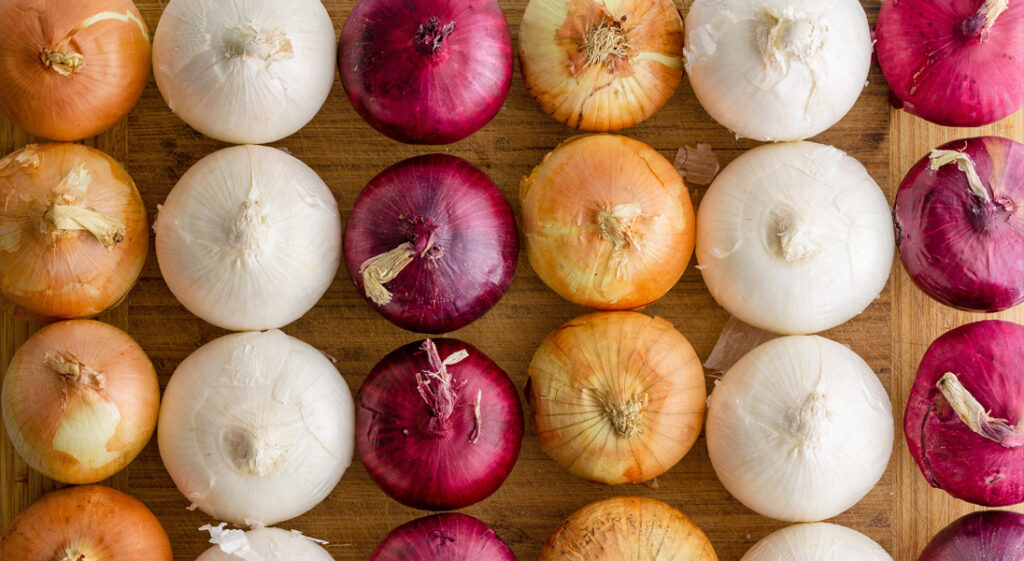
Similar responses have been observed in other crop systems. Across 23 onion field trials, average yield increases of 5.73 t/ha were recorded, with typical margin improvements of £350 to £600 per hectare and higher under certain application protocols.
These results show that supporting plant function under stress leads to consistent, measurable improvements in performance across different crops, growing conditions and production systems.
Read about abiotic stressWhy this matters
Growing conditions are becoming more variable so managing plant response to stress is now central to protecting yield and margin.
Improving how the plant functions under pressure is key to achieving consistent output, not just maximising potential in ideal conditions.
Where Maxstim fits
Maxstim’s flavonoid-based biostimulant technology is designed to support plant performance under real field conditions.
Field data shows improved photosynthetic activity, better nutrient utilisation and stronger crop development, leading to increases in yield, uniformity and marketable output.
Key takeaway
Plant stress directly impacts yield, quality and consistency.
Supporting how the plant responds under pressure is critical for reliable crop performance.
Want to know more about how Maxstim supports crops under stress? Talk to the team.
Tim Cannon
Email: tim.cannon@maxstim.com
Mobile: 07884 586191
Phil Kingsmill
Email: phil.kingsmill@maxstim.com
Mobile: 07860 269996
Leanne Taylor
Email: leanne.taylor@maxstim.com
Mobile: 07552 097554
Tony Kelly
Email: tony.kelly@maxstim.com
Mobile: 07974 435417