Onion plant population and its impact on yield
Insight
Yield is set earlier than it appears
Yield in onion crops is often assessed later in the season, but it is closely linked to plant numbers established earlier in the crop.
At establishment, every plant that successfully emerges represents a unit of yield potential. Any losses at this stage are not recovered later. Fewer plants per hectare means fewer bulbs at harvest, regardless of how well the remaining crop performs.
Plant numbers define yield potential
Plant population defines how many bulbs the crop can produce. Increasing the number of established plants increases the number of units contributing to final yield.
Field data clearly demonstrates the impact of establishment on final plant population.
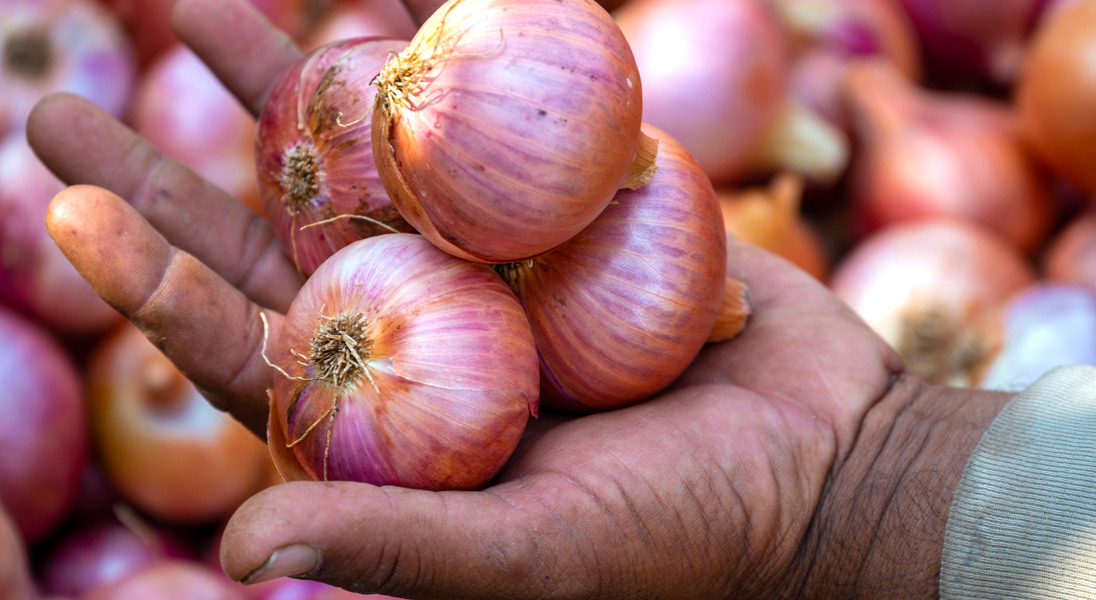
Across UK onion trials, treated crops showed increases of +7.36% in plant number per hectare in brown onions and +5.63% in red onions. These results were observed in programmes where early establishment was supported using biostimulant inputs, including Agriculture+ and Cynosa™.
Small increases translate into meaningful gains
This increase is significant. More plants per hectare means:
- more bulbs contributing to total yield
- better utilisation of available space
Even relatively small percentage increases in plant population translate directly into more units contributing to final output.
Lost plants are not replaced
Once establishment has passed, opportunities to influence plant numbers are limited. Later interventions can support crop performance, but they cannot replace lost plants.
This makes establishment a fixed point in the crop cycle where yield potential is either secured or reduced.
Why establishment is a yield-defining stage
This is why establishment should be viewed as a yield-defining stage. Protecting plant numbers early ensures that more plants contribute to final output.
If you want to maximise plant establishment and overall output, speak to the Maxstim team about how to support your crop from day one.
Tim Cannon
Email: tim.cannon@maxstim.com
Mobile: 07884 586191
Phil Kingsmill
Email: phil.kingsmill@maxstim.com
Mobile: 07860 269996
Leanne Taylor
Email: leanne.taylor@maxstim.com
Mobile: 07552 097554
Tony Kelly
Email: tony.kelly@maxstim.com
Mobile: 07974 435417