Looking beyond the label
Insight
When comparing plant-based crop treatments, the label is often the first place we look. It tells us what the product is, how it should be applied and where it fits within a growing programme. What it does not tell us is how the technology behind that product was developed.
Plant extracts are not all the same. Their composition depends on the plant source, the tissue selected, the compounds present and the way those compounds interact. Two products described as plant-based treatments may therefore have very different biological properties.
The ingredient list tells only part of the story.
Plant extracts are naturally complex
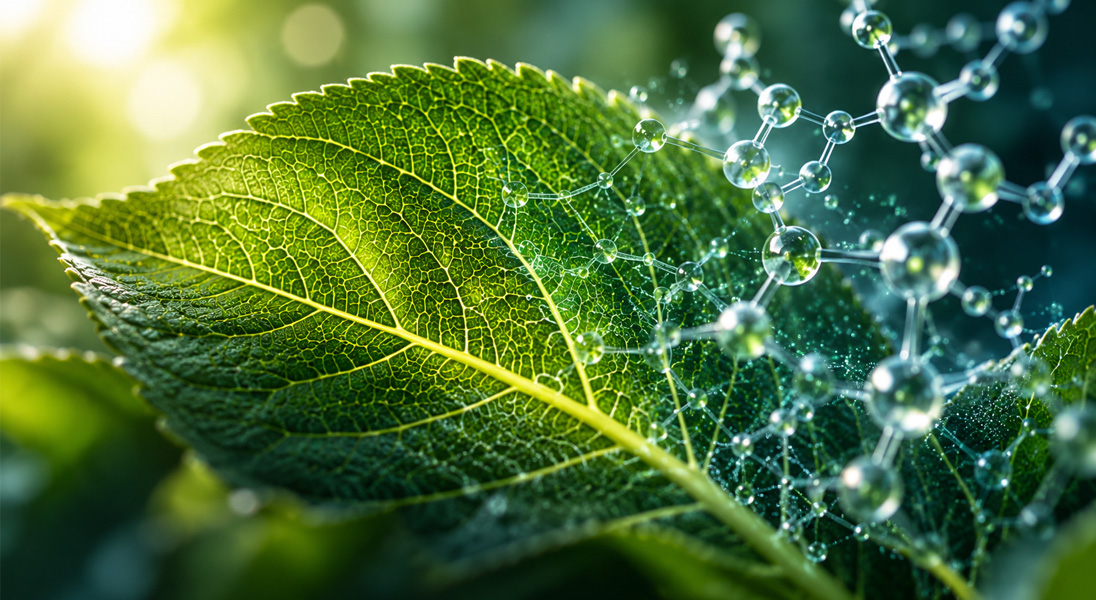
Plants naturally produce thousands of bioactive compounds that regulate growth, signalling, photosynthesis, responses to environmental conditions and interactions with soil biology. These include flavonoids, polyphenols, glycosides and antioxidants, each with different biological properties and functions. More than 4,000 flavonoids alone have been identified.
Understanding which compounds are present and how they work together is an important starting point for developing and evaluating plant-based technologies.

Introducing Amphenox®
Maxstim is a biotechnology company built around Amphenox®, its proprietary technology platform for developing and applying bioactive formulations to support plant performance.
Amphenox® brings together the selection of bioactive compounds, formulation expertise, controlled manufacture, quality protocols and practical application guidance. Different formulations can draw on different bioflavonoids and polyphenols according to their intended use.
Understanding the technology and the science behind it requires research at different levels, from chemical characterisation and molecular biology through to controlled laboratory studies and commercial field evaluation.
Understanding the chemistry
An important part of this research is understanding the chemical profile behind the technology. Using analytical techniques, researchers identified principal bioactive compounds including chlorogenic acid, protocatechuic acid, gentisic acid, coumaroyl quinic acid and quercetin glycosides.
Identifying individual compounds is only part of the picture. Selected flavonoids can act across different biological pathways, creating complementary or synergistic effects, which makes understanding how they work together an important part of formulation development.
The foundation for further research.
Looking beyond the ingredient list provides greater insight into how a technology has been developed. Plant selection, chemical characterisation and formulation expertise are all part of the Amphenox® platform and provide the foundation for the research that follows.
The next article in this series will look beyond the chemistry and investigate the biological response inside the plant.
Tony Kelly
Email: tony.kelly@maxstim.com
Mobile: 07974 435417
Tim Cannon
Email: tim.cannon@maxstim.com
Mobile: 07884 586191